
Programs · Education · Case Studies
The Real-World Cost of Indecency
Case studies showing how indecent words, actions, and affiliations by public officials can damage lives, waste taxpayer money, weaken institutions, and erode public trust.
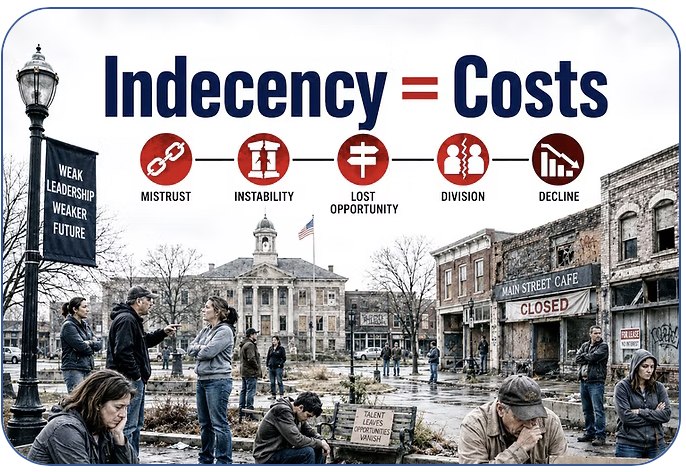
“Decency in government isn't about politics — it's about consequences.”
The Case Studies
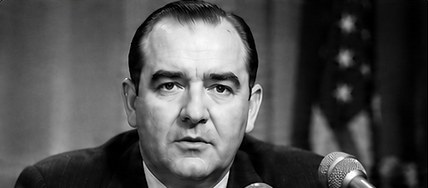 Case Study 1 · Smears & Accusations
McCarthy and the Red Scare
What HappenedSenator Joseph McCarthy made baseless accusations of communist infiltration, claiming to have lists of subversives in government and media.
The Indecent ConductMcCarthy used fear and public smears in speeches and hearings to destroy reputations, ignoring evidence and due process to advance his political ambitions.
The Real-World CostCareers were ruined, families were torn apart, and free speech was chilled. Lives were upended by false accusations and unfounded suspicion.
AccountabilityMcCarthy was censured by the U.S. Senate in 1954. His tactics were widely condemned and helped end his political career.
Why It Still MattersIt shows how reckless rhetoric and abuse of power can destroy lives and corrode democracy — and still happen today.
 Case Study 2 · Deception & Misconduct
Clinton and the Monica Lewinsky Affair
What HappenedPresident Bill Clinton engaged in a relationship with Monica Lewinsky and then made false statements about it under oath and to the public.
The Indecent ConductA severe power imbalance, dishonesty in legal proceedings, and evasive public denials turned private misconduct into a national crisis.
The Real-World CostThe scandal consumed national attention, weakened trust in the presidency, and cost taxpayers tens of millions in investigations and legal consequences.
AccountabilityClinton was impeached by the House, held in civil contempt, fined, and later disbarred in Arkansas.
Why It Still MattersIt shows how dishonesty and abuse of power at the top can distract government and damage public trust.
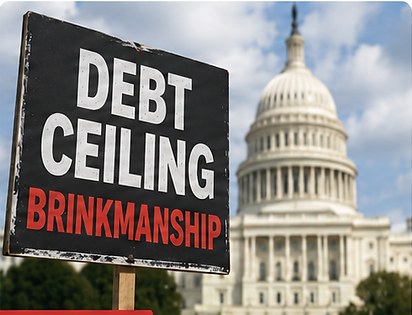 Case Study 3 · Political Extortion
Debt Ceiling Brinkmanship
What HappenedIn 2011, U.S. leaders took debt-ceiling negotiations to the brink of default instead of resolving them through good-faith compromise.
The Indecent ConductPublic threats and political theater replaced honest negotiation, with leaders willing to risk the nation's credit for leverage.
The Real-World CostThe U.S. lost its AAA rating, taxpayers paid higher borrowing costs, markets fell, and retirement savings took a hit.
AccountabilityNo single official was punished, but the episode became a warning about the cost of governing by brinkmanship.
Why It Still MattersIt shows how bad-faith tactics can inflict real financial harm on ordinary Americans.
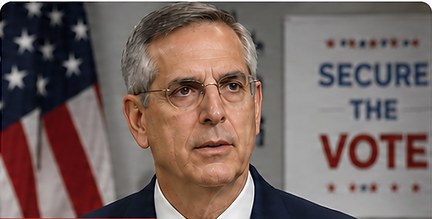 Case Study 4 · Election Intimidation
Raffensperger & Election Workers
What HappenedAfter the 2020 election, false claims and pressure campaigns targeted Georgia officials and election workers, including Brad Raffensperger.
The Indecent ConductLeaders spread falsehoods, pressured public servants, and helped create a climate of intimidation and harassment.
The Real-World CostThreats escalated, families feared for their safety, experienced election officials quit, and public confidence in elections suffered.
AccountabilityThreat-makers were prosecuted, the DOJ formed an Election Threats Task Force, and Georgia brought charges related to election interference.
Why It Still MattersSafe elections depend on protecting the people who run them from lies, intimidation, and retaliation.
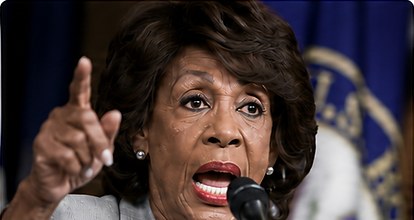 Case Study 5 · Harassment Rhetoric
Maxine Waters' “Confront” Comment
What HappenedRepresentative Maxine Waters urged supporters to confront Trump officials in public places and tell them they were not welcome.
The Indecent ConductShe encouraged a style of politics that normalizes public harassment rather than principled disagreement.
The Real-World CostThe message intensified hostility, helped normalize confrontational tactics, and contributed to a climate of escalating threats against officials.
AccountabilityLeaders from both parties publicly rebuked her remarks as dangerous and inappropriate.
Why It Still MattersWords from powerful officials can legitimize harassment and make ordinary civic life more volatile.
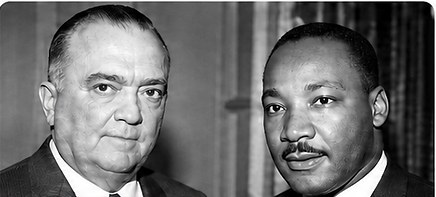 Case Study 6 · Character Assassination
Hoover vs. Dr. King
What HappenedFBI Director J. Edgar Hoover used surveillance and covert operations to target and discredit Dr. Martin Luther King Jr.
The Indecent ConductHoover abused federal power, invaded privacy, and waged a campaign of harassment and humiliation against a civil rights leader.
The Real-World CostDr. King and his family suffered targeted abuse, civil liberties were violated, and long-term trust in the FBI was deeply damaged.
AccountabilityHoover was never punished, but later investigations led to reforms and stronger limits on domestic intelligence abuses.
Why It Still MattersIt shows how dangerous it is when government power is used to destroy citizens rather than protect their rights.
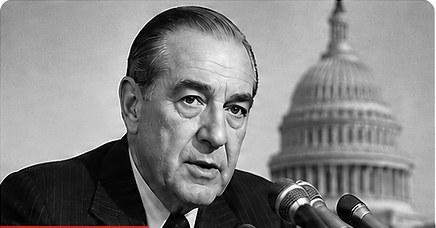 Case Study 7 · Obstruction & Intimidation
Watergate / John Mitchell
What HappenedAttorney General John Mitchell helped direct the Watergate cover-up and the use of federal power against political enemies.
The Indecent ConductHe put loyalty and political advantage above honesty, legality, and respect for constitutional limits.
The Real-World CostThe scandal led to criminal convictions, Nixon's resignation, and a collapse of public trust in government.
AccountabilityMitchell went to prison, other top aides were convicted, and Congress enacted major reforms after Watergate.
Why It Still MattersIt shows how abuse of power at the highest levels can shatter civic trust for generations.
 Case Study 8 · Abuse & Dehumanization
Abu Ghraib / Donald Rumsfeld
What HappenedSenior Pentagon policies approved aggressive interrogation techniques that helped pave the way for abuse at Abu Ghraib prison.
The Indecent ConductDetainees were humiliated, stripped of dignity, and subjected to treatment that crossed ethical and legal lines.
The Real-World CostAmerica's global reputation suffered, enemy recruitment was fueled, troops were put at greater risk, and lawsuits continued for years.
AccountabilityLow-ranking soldiers were convicted, some commanders were disciplined, and Rumsfeld eventually resigned.
Why It Still MattersIt shows that indecency in wartime is not a shortcut to security — it is a long-term liability.
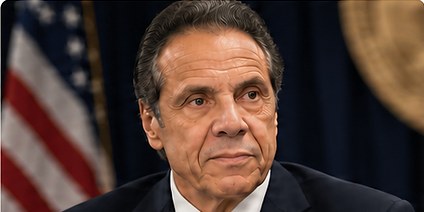 Case Study 9 · Harassment & Retaliation
Andrew Cuomo
What HappenedInvestigations found that Governor Andrew Cuomo sexually harassed multiple women and fostered a hostile work environment.
The Indecent ConductHe exploited power imbalances, demeaned subordinates, and allowed retaliation against women who came forward.
The Real-World CostVictims were harmed, public trust eroded, and taxpayers spent tens of millions on investigations, legal work, and institutional repairs.
AccountabilityCuomo resigned, federal and state findings confirmed misconduct, and structural reforms were required in the governor's office.
Why It Still MattersIt shows that workplace indecency at the highest levels harms victims, institutions, and taxpayers alike.